A surprising number of people think stainless steel is indestructible. Then a brand-new spool piece goes into a coastal reverse-osmosis plant, and six months later rust streaks start weeping out of a weld or across a scratched pipe face.
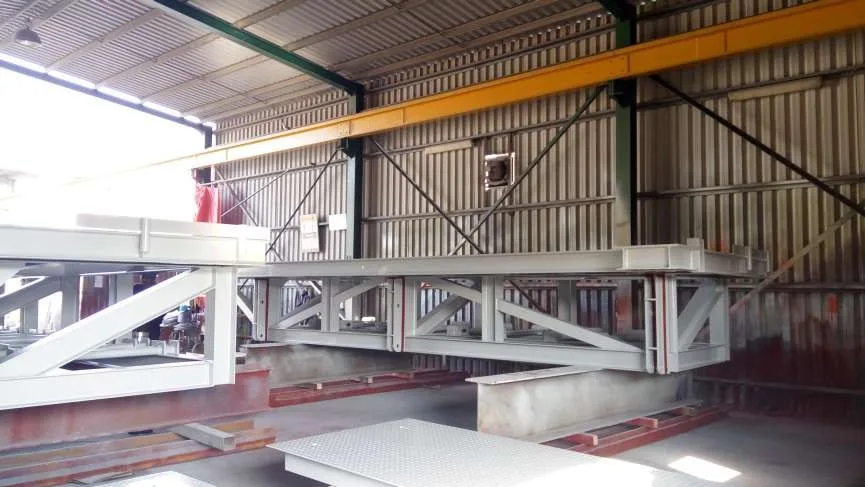
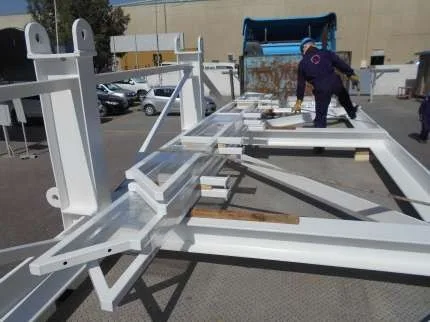
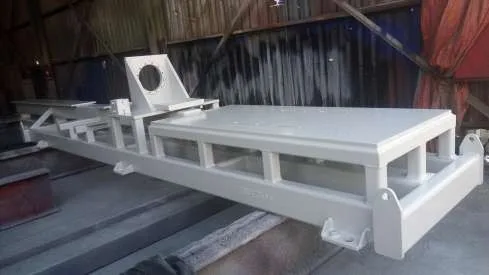
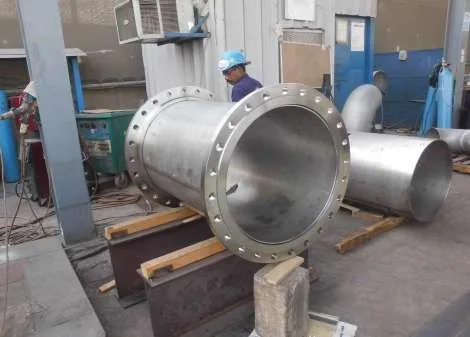
Almost every time that happens, the steel grade was fine — the problem happened during fabrication. From SS316L spools on a Palm Jumeirah RO polishing skid for Metito, to desalination spools at Layyah Power Station for Sidem, to SS316 tanks for Parkson and live aeration-tank pipe welding for Sanotec, here is what keeps stainless work clean.
Why water plants insist on 316L over 304
Seawater, brine and treated sewage effluent are packed with chlorides, and Gulf temperatures speed corrosion up. Standard 304 stainless pits quickly in that environment. Grade 316 adds molybdenum to resist pitting, and the "L" in 316L means low carbon — which stops carbide precipitation along the weld heat-affected zone where corrosion loves to start.
Keep carbon steel dust well away
If a fabricator cuts mild steel two metres away and grinding sparks shower onto a stainless pipe, tiny carbon-steel particles embed in the surface. Add humid coastal air and those specks rust, breaking down the passive layer underneath.
- Dedicated grinding discs, flap wheels and stainless wire brushes that never touch mild steel.
- Clean workbenches or wooden/stainless packing so pipes do not rest directly on rusty steel trestles.
- Nylon slings for lifting finished spools instead of bare steel chains.
TIG purging, pickling and welding on live plants
For SS316L process piping, we TIG-weld the root with argon back-purging inside the pipe. Without proper purging, the inside of the weld oxidises into rough, dark "sugaring" that traps bacteria and corrodes from the inside out. After welding, pickling and passivation strip away heat tint and restore the protective oxide film.
Sometimes the pipe cannot come to the shop — like welding stainless headers inside a sewage treatment aeration tank. On those jobs we prefabricate as many spools as possible in our clean workshop area, leaving only the minimum number of field welds to finish under tight site shutdowns.