
Blog
Notes from the fabrication shop.
Practical articles on oil and gas steel, DNV 2.7-1 containers, bunded tanks, stainless piping, coating, structural steel and shop inspections — written from our own work.
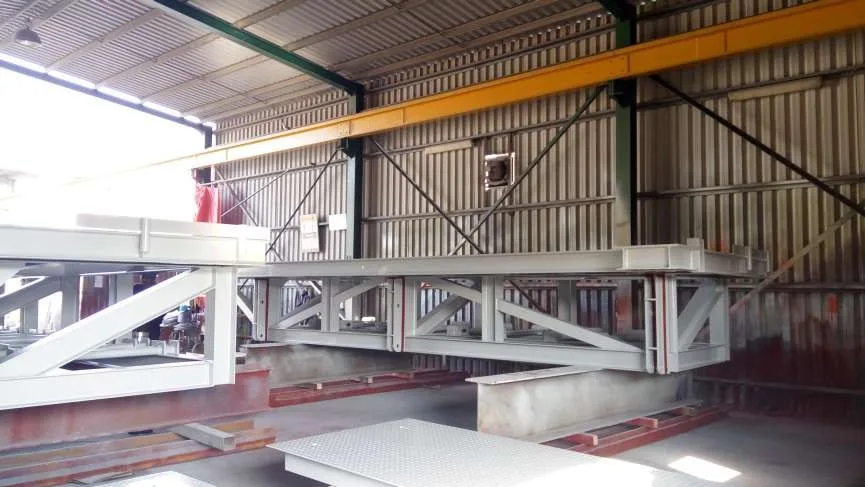
What to send when you ask for a steel fabrication quote
A drawing and a deadline will get the conversation going, but material grade, inspection hold points, coating and delivery are what actually decide the price.
Read the article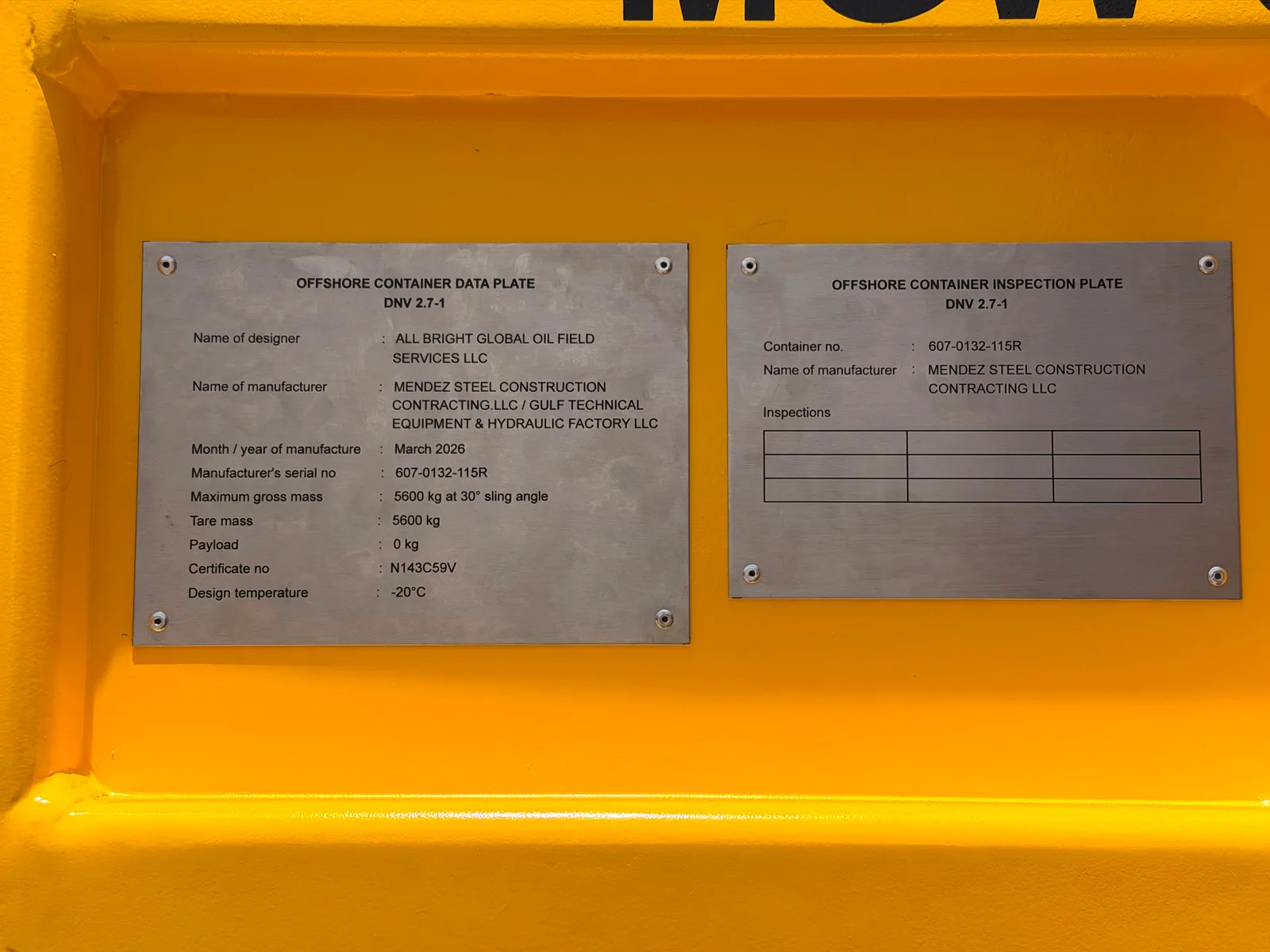
Reading a DNV 2.7-1 data plate: what every line actually tells you
Maximum gross mass, tare, payload, sling angle and design temperature — a practical look at a real DNV 2.7-1 data plate from a hose reel frame we built.
Read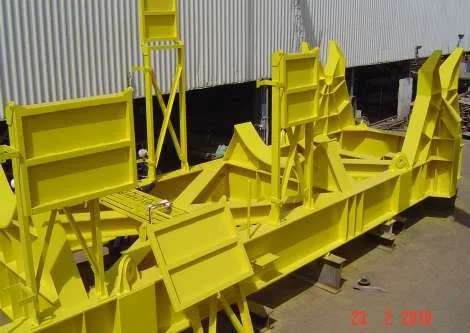
Why sandblasting and painting belong in the same yard as fabrication
Paint is the last thing anyone thinks about and the first thing to fail if it gets rushed. Here is how we run blasting and coating under the same roof.
Read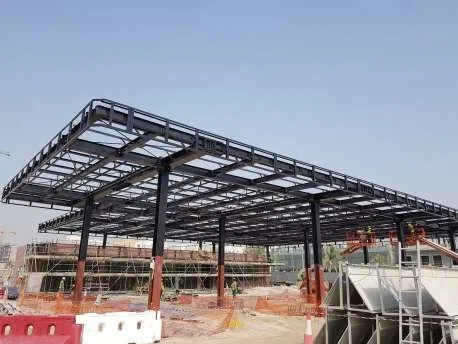
Filling stations, factory sheds and cement plants: three very different structural steel jobs
A fuel station canopy, a warehouse frame and a clinker silo are all structural steel on paper, yet they run very differently in the shop and on site.
Read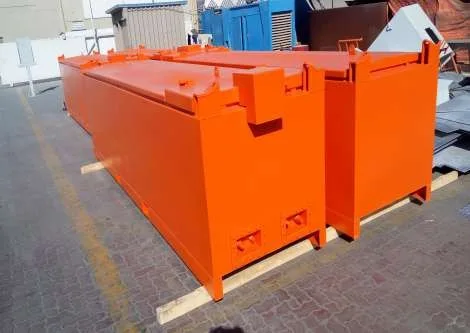
Bunded and double-wall fuel tanks: what to think about before ordering
From 500-gallon generator tanks to batches of sixty 5,000-gallon containerised units, a few early decisions make a big difference in the field.
Read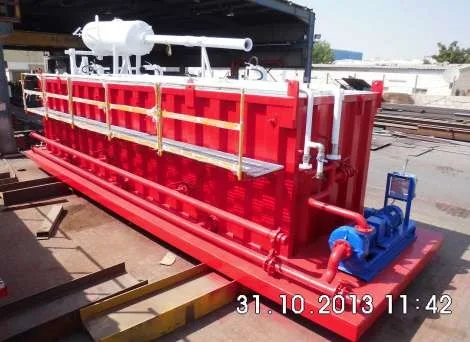
Building mud tank systems for land rigs: getting the layout and pipework right
A mud system is a working process plant on skids. Getting the compartments, manifolds, walkways and coatings right in the yard saves days during rig-up.
Read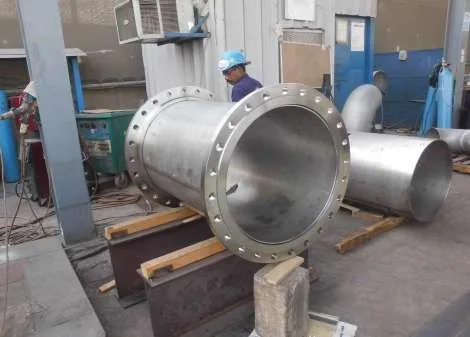
Working with SS316 and SS316L for desalination and water treatment plants
Stainless steel only stays stainless if you treat it properly in the shop. Here is how we handle SS316 and SS316L spools, tanks and site piping.
Read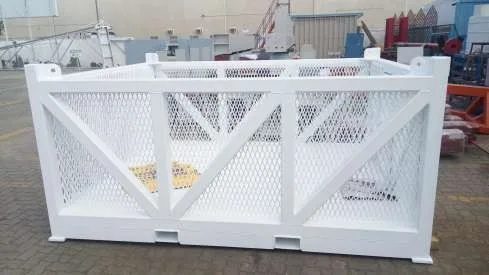
Offshore cargo baskets and tool boxes: what separates a certified basket from a yard box
They look like simple open steel boxes until they swing off a crane in a swell. Here is what makes an offshore basket safe, practical and certifiable.
Read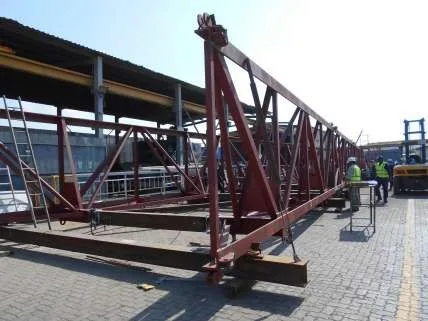
Fabricating rig masts and substructures: tolerances, hold points and API 4F expectations
When a mast holds 160 kips or a substructure carries 1,100 kips, there is no room for guesswork in material tracking, weld prep or alignment.
Read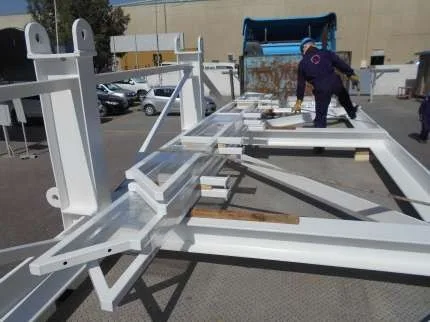
What actually happens during a third-party inspection in a fabrication shop
If you have never followed an inspection and test plan from start to finish, here is what inspectors actually check on the shop floor before signing steel off.
Read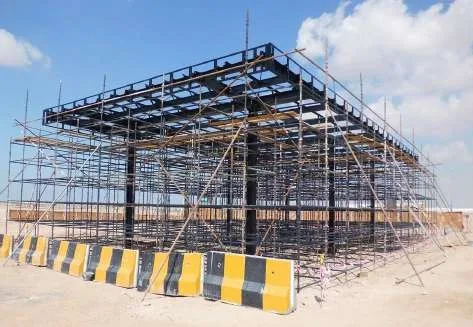
Extending an existing factory or warehouse in steel without holding up production
Bolting new steel onto an older building is trickier than starting on empty sand. A thorough site survey and smart tie-in details make all the difference.
Read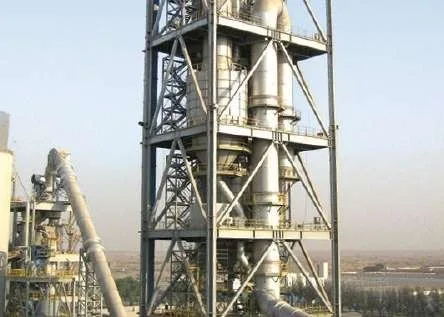
Steelwork for cement plants: designing and fabricating for dust, heat and wear
Clinker silos, grate cooler hoppers, bag filter casings and conveyor galleries live in one of the harshest industrial environments on earth.
Read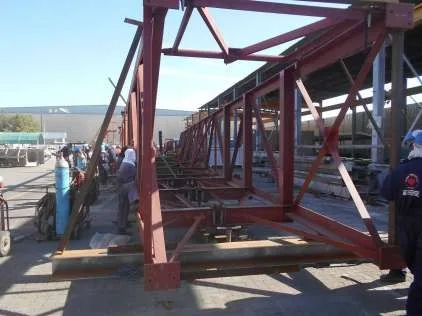
How in-house CNC cutting and machining save weeks on a fabrication schedule
Every time a part has to leave the yard for cutting, drilling or machining, you lose days and introduce tolerance drift. Here is why we keep it in-house.
Read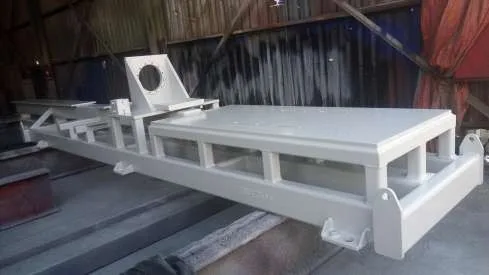
What ISO 9001, ISO 14001 and ISO 45001 actually look like on the shop floor
Certificates look nice on a wall, yet clients really care about what happens in the yard. Here is how our three ISO systems show up in daily work.
ReadStart a project